

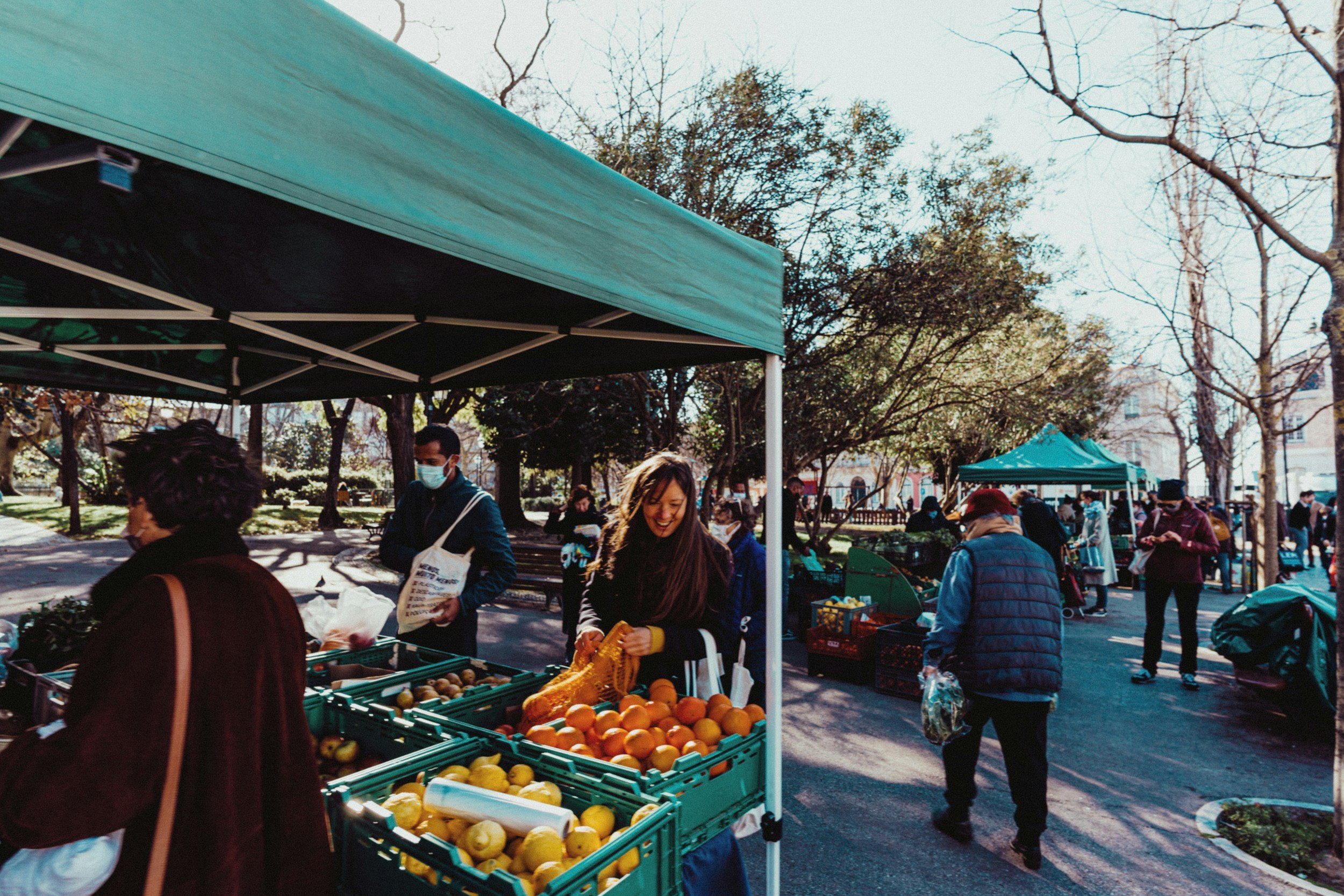
Food & nutrition assistance programs at your inclusive local market
Farmers Market Nutrition Programs and SNAP play a crucial role in helping New Jersey families access fresh, local food while strengthening local farms. This page brings together best practices and practical tools to help markets boost participation and make every shopper feel welcome.
Use your Nutrition Benefits at Farmers Markets & Farm Stands Across New Jersey
-
Provides fresh, unprocessed, locally grown fruits, vegetables, and herbs to eligible participants of the Special Supplemental Nutrition Program for Women, Infants, and Children (WIC), including pregnant, postpartum, and breastfeeding women and children ages 1–5. Recipients receive coupons or electronic benefits that can be used at authorized farmers markets and roadside stands.
Learn more: WIC Farmers’ Market Nutrition Program
-
Provides low-income seniors (age 60+ with household income ≤ 185% of the federal poverty level) with coupons to buy fresh, locally grown fruits, vegetables, herbs, and honey at farmers markets, roadside stands, and community-supported agriculture (CSA) programs.
Learn more: Senior Farmers’ Market Nutrition Program -
The nation’s largest federal nutrition assistance program that helps low-income individuals and families buy food. SNAP provides benefits on an EBT card that can be used at participating grocery stores, farmers markets, and online retailers for eligible food items. Eligibility is based on income, household size, and other criteria.
Learn more: Supplemental Nutrition Assistance Program
-
A New Jersey statewide SNAP nutrition incentive program that increases the purchasing power of SNAP and Summer EBT benefits for fresh fruits and vegetables at participating farmers markets, farm stands, and grocery stores. Shoppers use their SNAP/EBT card and automatically receive Good Food Bucks (discounts, coupons, or tokens) to buy more fresh produce without additional registration.
Learn more: Good Food Bucks Program
2026 NJ Farmers’ Market Guides
Select the county, and click to download!
Current Initiatives
Increasing SNAP & FMNP Use at Farms & Markets in Bridgeton, Barnegat, and Asbury Park
NJFDC is leading a two-year initiative to increase SNAP and WIC FMNP purchases at local farms and farmers markets in Asbury Park/Neptune, Barnegat, and Bridgeton.
By working directly with residents, farmers, and market managers, this project will:
Increase SNAP and FMNP redemption at local markets
Improve awareness of where and how to use benefits with NJ farmers
Generate practical, tested marketing strategies that make markets more accessible and welcoming
Produce a replicable toolkit that can be used across New Jersey
The result: more dollars spent locally, stronger markets, and improved access to fresh, NJ-grown food.
Farm to WIC - County Initiatives
Members of the NJ FDC Inclusive Local Markets Working Group are focused on improving coordination between local and county government agencies, including WIC Offices, farmers, and community based organization with the goal of helping more customers using WIC CVB and Farmers Market Nutrition Program to access fresh NJ grown fruits and vegetables. Counties that will be focused on in 2026 are Ocean, Essex, Passaic, and Middlesex.
Check out the FMNP Toolkit created by the Inclusive Local Markets Working Group below — available in both English and Spanish.
Resources for Market Managers & Farmers

Guide to Increasing Redemption at Your Market
Strategies for stronger SNAP, WIC and Senior FMNP redemption.

Farmers Market Nutrition Program Toolkits
Strategies to increase redemption of Food & Nutrition Assistance Benefits.

NJ Farmers Market Nutrition Program Data
Allocated and redeemed NJ nutrition program funding for FFY18 - FFY24.
Resources for Customers and Shoppers
Using SNAP at Farmers’ Markets: How does it work?
* If you are not enrolled in SNAP, find out if you are eligible and how to apply here.


STEP 1
Find a SNAP Market near you. See all available SNAP markets in New Jersey and start taking advantage of the program today. FIND A MARKET
STEP 2
Bring your SNAP EBT (NJ Families First) card to a participating farmers market information booth or farm stand before you begin to shop.* Tell one of the market managers or volunteers that you would like to swipe your SNAP EBT card to shop at the market.
If only one or more food/farm vendors are accepting SNAP at a market, the managers can tell you which they are and you can use your EBT card to make a purchase directly from that vendor.
STEP 3
Decide how much money you would like to spend. The attendant at the booth will swipe your card for the requested amount, and will give you wooden tokens, cards, or tickets worth the amount previously decided to purchase food from vendors at the market.
If you want to make more purchases after your first swipe, you can go back to the market information booth and swipe again. Make sure to ask your market managers if you should use all tokens, cards, or tickets the same day or if you can save them for a later date.

Note: honey is also an eligible item for purchase with Senior FMNP benefits.
Make the most of your SNAP dollars at farmers’ market.

Eligible to purchase with your NJ SNAP/EBT:
Fruits and vegetables
Seeds and plants, which produce fruits, vegetables, and herbs for the household to eat
Meat, poultry, and fish
Dairy products
Breads and cereals
Other foods such as snack foods and non-alcoholic beverages

Not eligible for purchase with your NJ SNAP/EBT:
Beer, wine, liquor, cigarettes, or tobacco
Vitamins, medicines, and supplements. If an item has a Supplement Facts label, it is considered a supplement and is not eligible for SNAP purchase
Live animals (except shellfish, fish removed from water, and animals slaughtered prior to pick-up from the store)
Foods that are hot at the point of sale
Single serve items or sizes of food items , such as, a pickle on a stick or one ear of roasted corn
Any nonfood items such as:- Pet foods - Cleaning supplies, paper products, and other household supplies.- Hygiene items, cosmetics